
About us
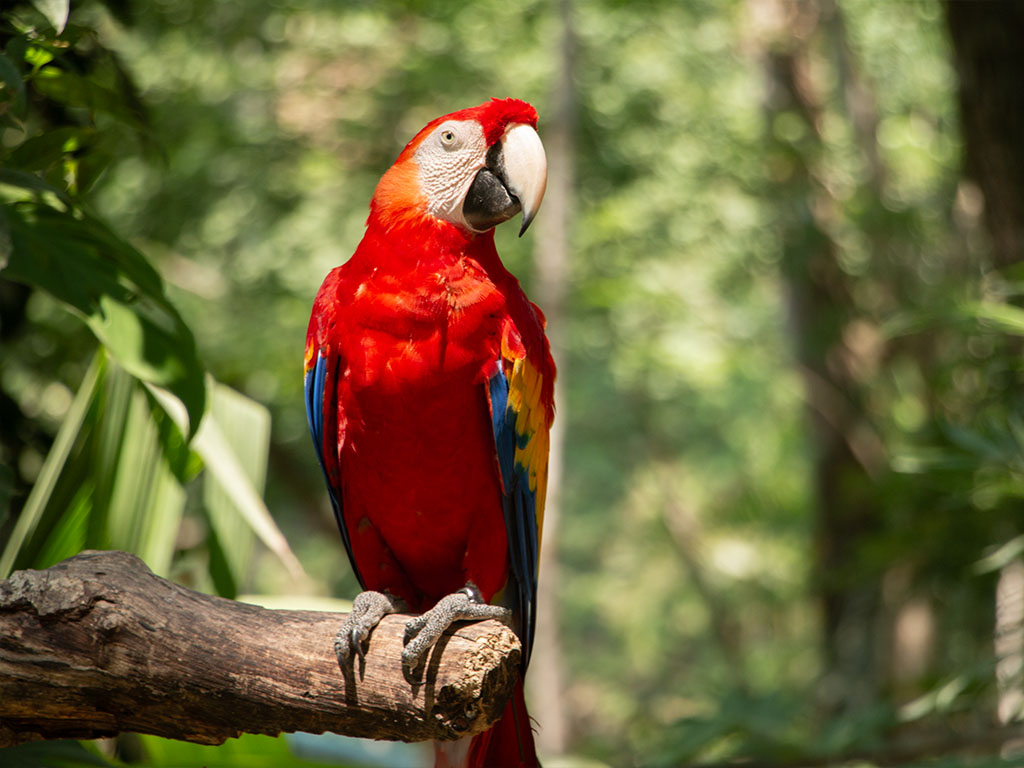
Macaw Mountain operates as an educational zoological park under a permit from the Honduran Department of Forestry. Our birds are rescued or donated by individuals concerned for their condition or unable to care for them long-term, or they are entrusted to our care after confiscations. Our park is privately funded and supported solely by admission fees, purchases made visitors in the park and donations from generous supporters.
Our Mission
Macaw Mountain opened its doors in December 2001 as a bird park and nature reserve focused on preserving and presenting to the public the stunning beauty of Honduran flora and avian fauna.
Our mission is to be a leading bird sanctuary and educational center in Honduras, providing high-quality care for rescued birds while offering accessible, engaging experiences that promote conservation awareness among local and international visitors.
Our Story
The story of Macaw Mountain actually began on Roatán. It was there that an American woman, Mandy Wagner, began caring for abandoned parrots and macaws during the 1980s, amassing a group of about 30 birds by the mid-1990s.
Many of these birds had been abandoned or donated by foreign residents when they grew tired of “paradise” and returned to their home countries.
Eventually, Ms. Wagner returned to the United States, and Lloyd Davidson, who ran a fishing business on Roatán at the time, took over the care of her birds. This is how Lloyd unwittingly became the “Birdman of Roatán.”
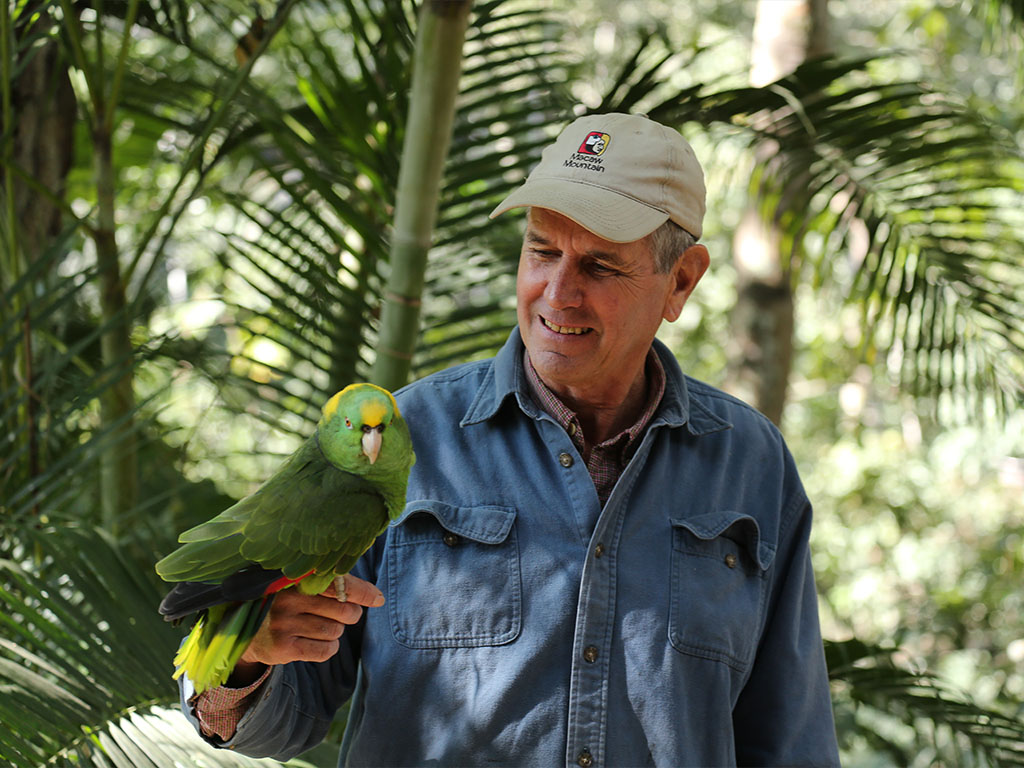
Lloyd’s collection quickly grew to nearly 80 birds. Maintaining this number of birds in good condition became both a full-time and expensive task, so the first bird park was started on rented land near the beach in Sandy Bay.
What was once Ms. Wagner’s dream had become an imperative to financially sustain the growing bird population—and since captive macaws can live up to 100 years, this wasn’t a short-term problem either.
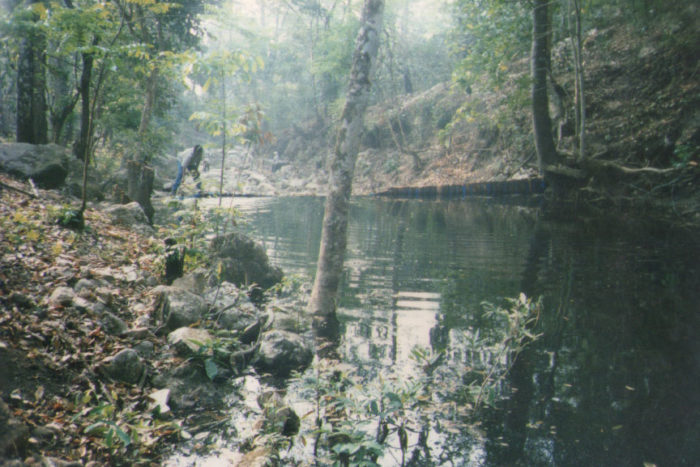
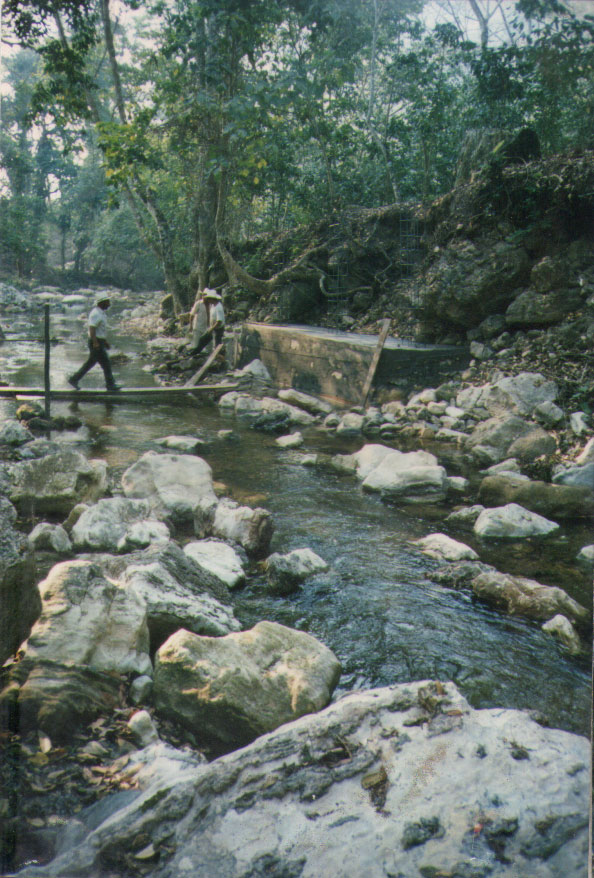
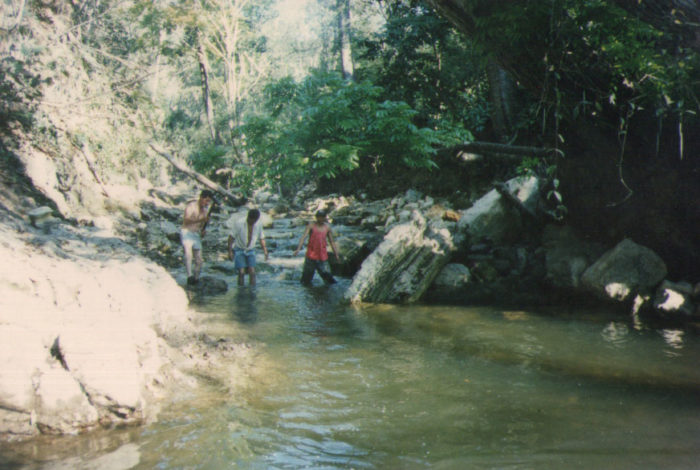
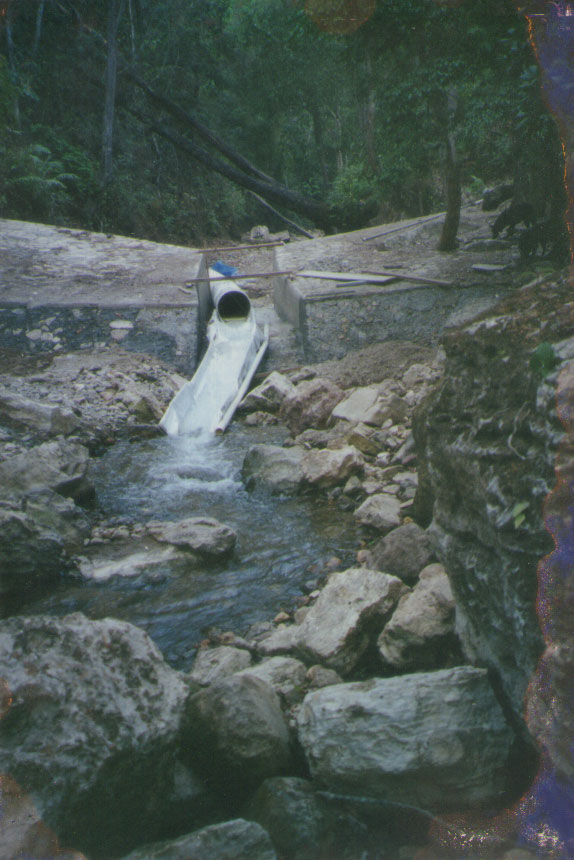
Gradually, the island park began to pay off the outstanding bills, but the “Bird Man” was ready for a change. A visit to Copán Ruinas in 1998 convinced him that this was the perfect place for birds, and the land was more affordable than on the islands.
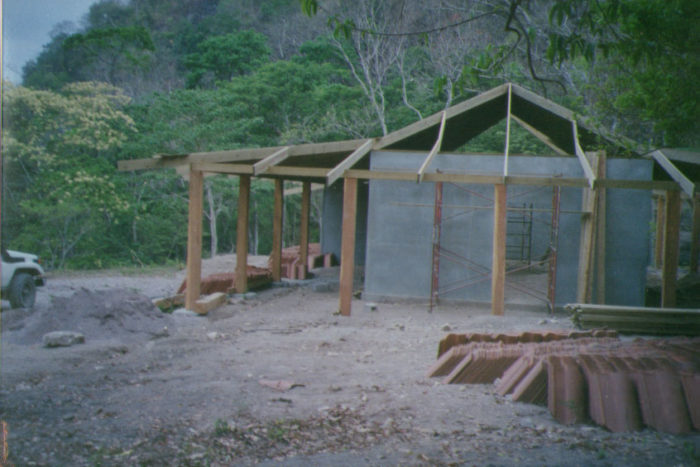
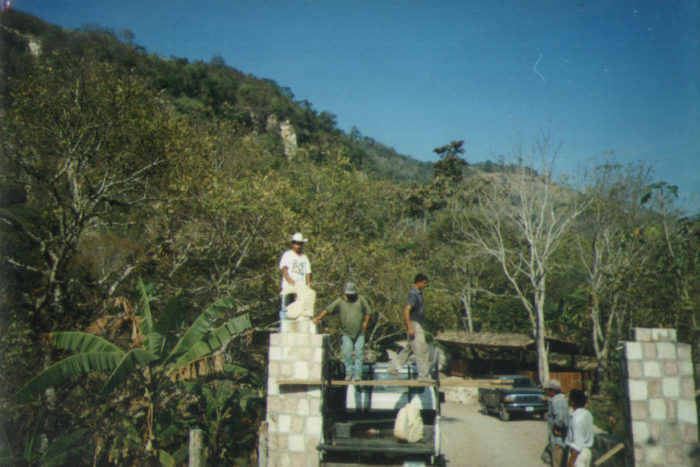
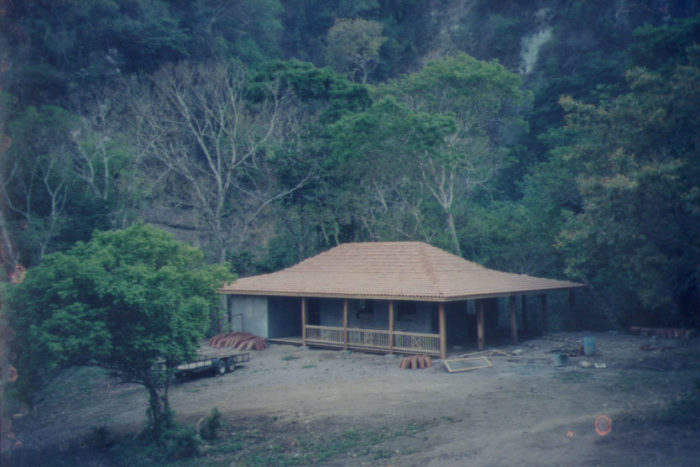
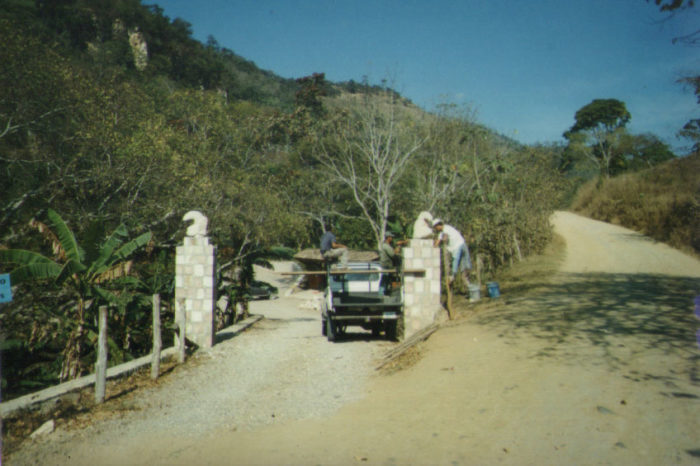
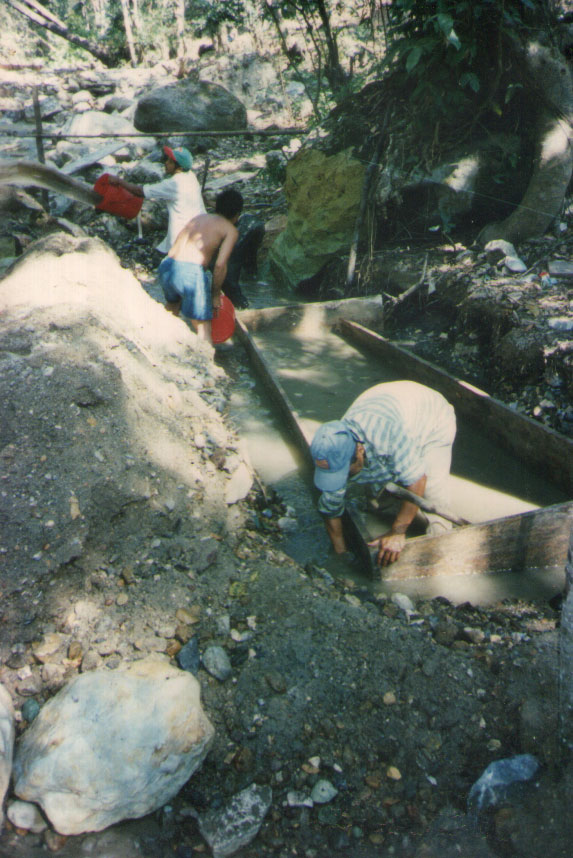
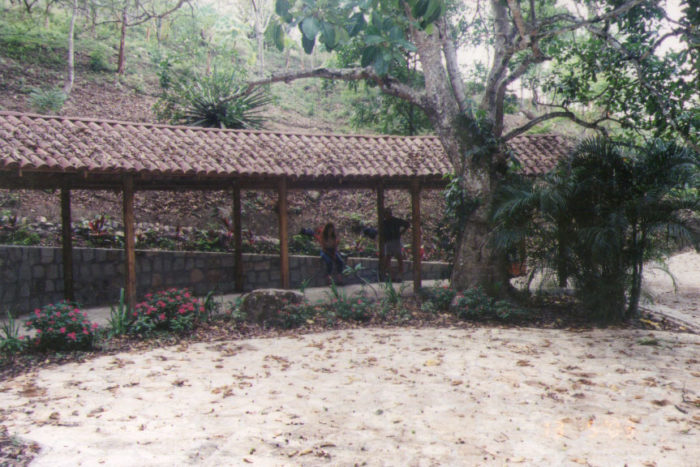
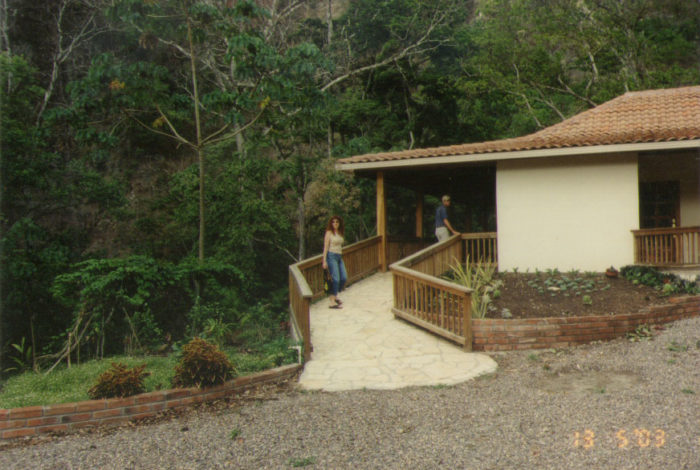
In less than a year, construction work began under the direction of Lloyd’s fishing business partner, Captain Pat Merritt. In July 2001, a chartered flight transported the 90 birds directly to an airstrip across the Guatemalan border.
After a five-month adaptation period for the birds, the Macaw Mountain Bird Park and Nature Reserve officially opened to the public in December 2001. Today, 21 years later, its mission remains: to educate and connect visitors with the rescue, rehabilitation, and release programs for the birds in its care, promoting the conservation of cultural and natural heritage.
Bird Releases
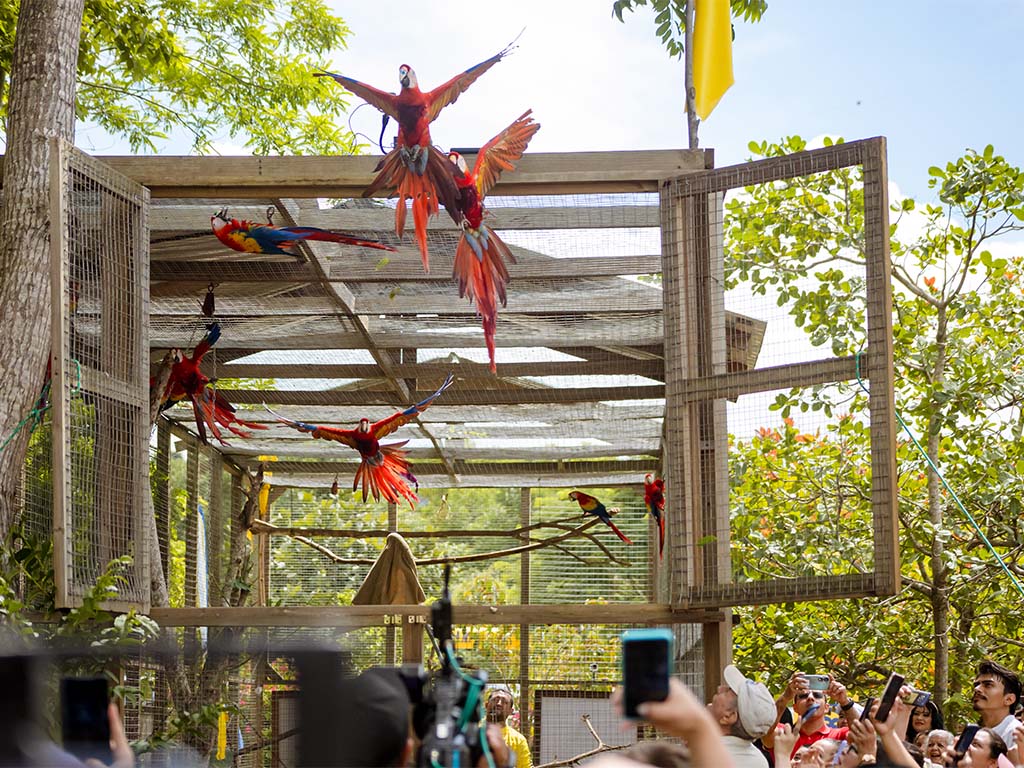
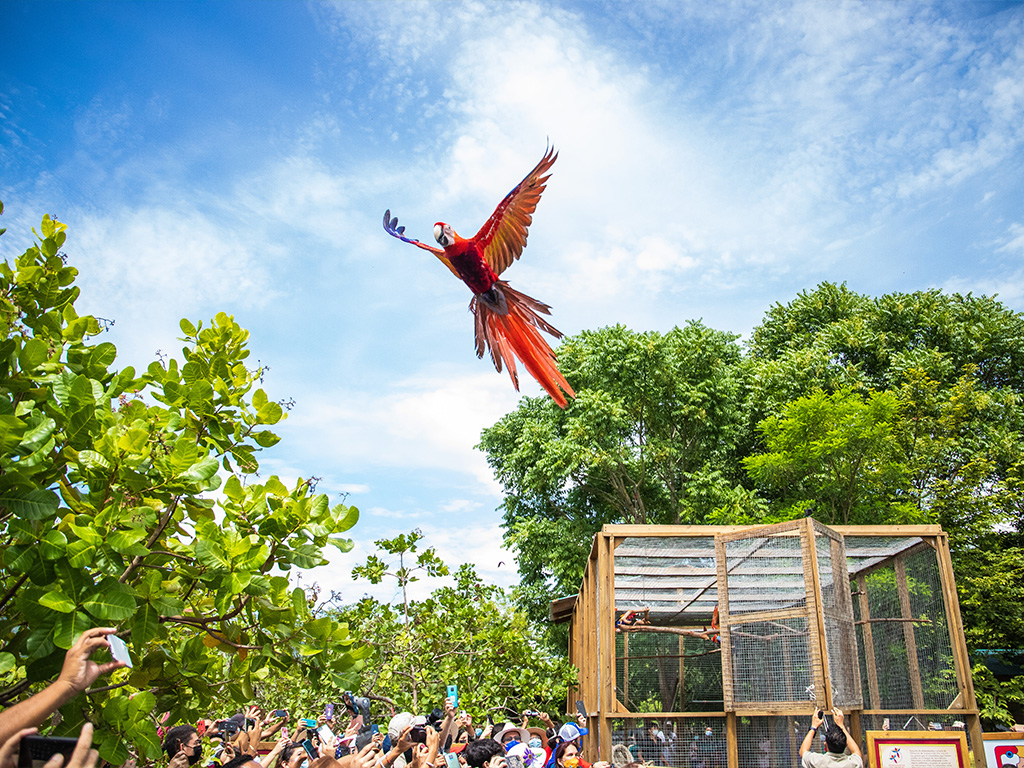
As the park developed, the mission began to shift from simply caring for birds to educating the public and rescuing and releasing them.
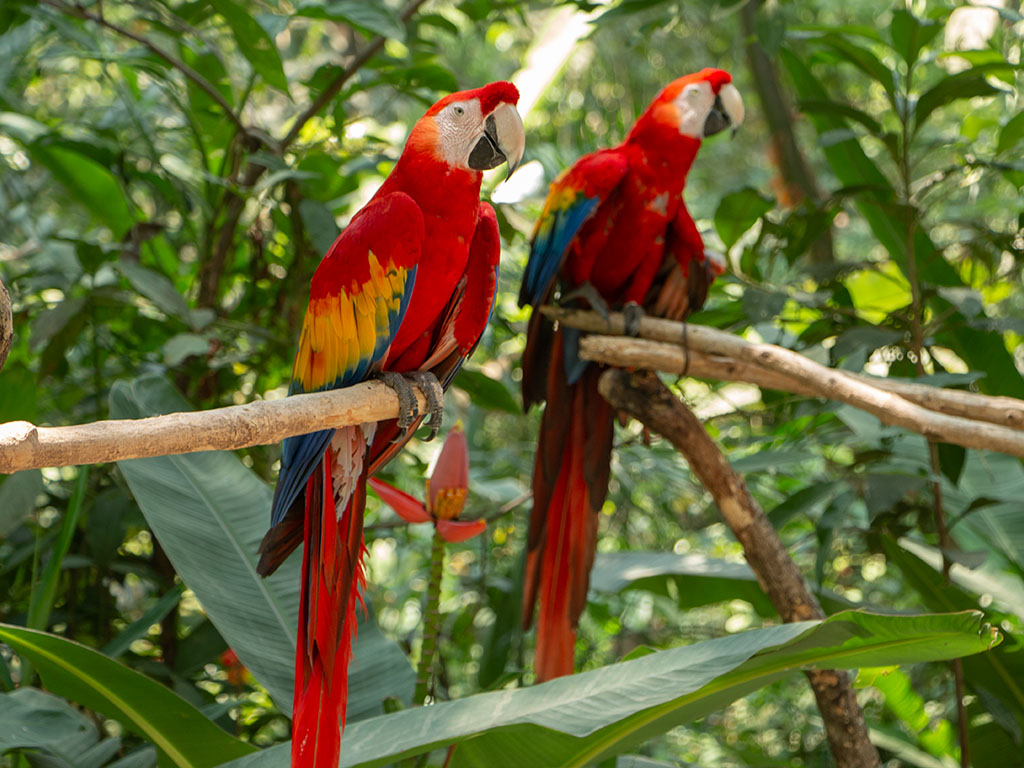
The reality for the scarlet macaws is that only 30 to 40 percent of the rescued birds can fly; 10 to 20 percent can be paired for breeding, and the rest become part of the long-term care group.
The first group of macaws was released in April 2011 and complemented the 14 birds already residing in Copán. With the eleventh release in June 2024, there are now more than 100 scarlet macaws flying over the ruins and the valley below.
PRO-ALAS
The NGO PRO-ALAS is a much needed outgrowth of a successful program that was initiated in 2011 by the Macaw Mountain Bird Park and Nature Reserve located in Copán Ruinas, Honduras, and ran in cooperation with the World Parrot Trust and additional local partners that included the Honduran Institute of History and Anthropology, the Institute of Forest Conservation (ICF), and the local NGO Asociación Copán (“Copán Association”).